Roam Bhutan Travels

Home / Travel Info

Plan with confidence

Bhutan travel information

Everything practical about a journey to Bhutan, one clear page at a time — from visas and fees to what to wear in a dzong.

Before you go

Nine short guides

Bhutan is one of the easiest countries in Asia to travel in once you are there — and one of the most carefully managed to enter. These pages explain how it all works, in plain language. You do not need to memorise any of it: once you book, we handle the paperwork. But knowing the rules makes the planning calmer, and the answers to most first questions are here.

01

Who needs a visa, what it costs, and how to apply — yourself or through us.

02

The nightly fee that funds Bhutan’s schools, hospitals and forests — rates and how it is paid.

03

Flights into Paro, the two national airlines, and the three land borders with India.

04

Blossom, festivals, clear peaks or quiet winter valleys — what each month brings.

05

How high you will be, how to pace yourself, and staying healthy on the road.

06

The ngultrum, cards and cash, local SIM cards, Wi-Fi and power sockets.

07

Dress in dzongs, walking clockwise, photography and festival manners.

08

Layers, shoes, temple clothing and trek kit — lists by season and trip type.

09

Certified hotels from comfortable to luxury, farmhouse homestays and trek camps.

Still wondering?

Frequently asked

Everyone except citizens of India, Bangladesh and the Maldives, who receive an entry permit instead. The visa costs US$40 and is paid once. You can apply online yourself through the Department of Tourism, or we apply for you along with your hotel bookings.

A nightly fee paid to the Government of Bhutan that funds free healthcare, free education, conservation and low-impact tourism. It is US$100 per adult per night, US$50 for children aged 6–12, nothing for children under 6, and Nu. 1,200 per night for Indian nationals — rates confirmed until 31 August 2027.

You can walk around Paro and Thimphu on your own. For dzongs, temples and monuments, and for travel beyond those two towns, a licensed guide is required — every Roam Bhutan journey includes one.

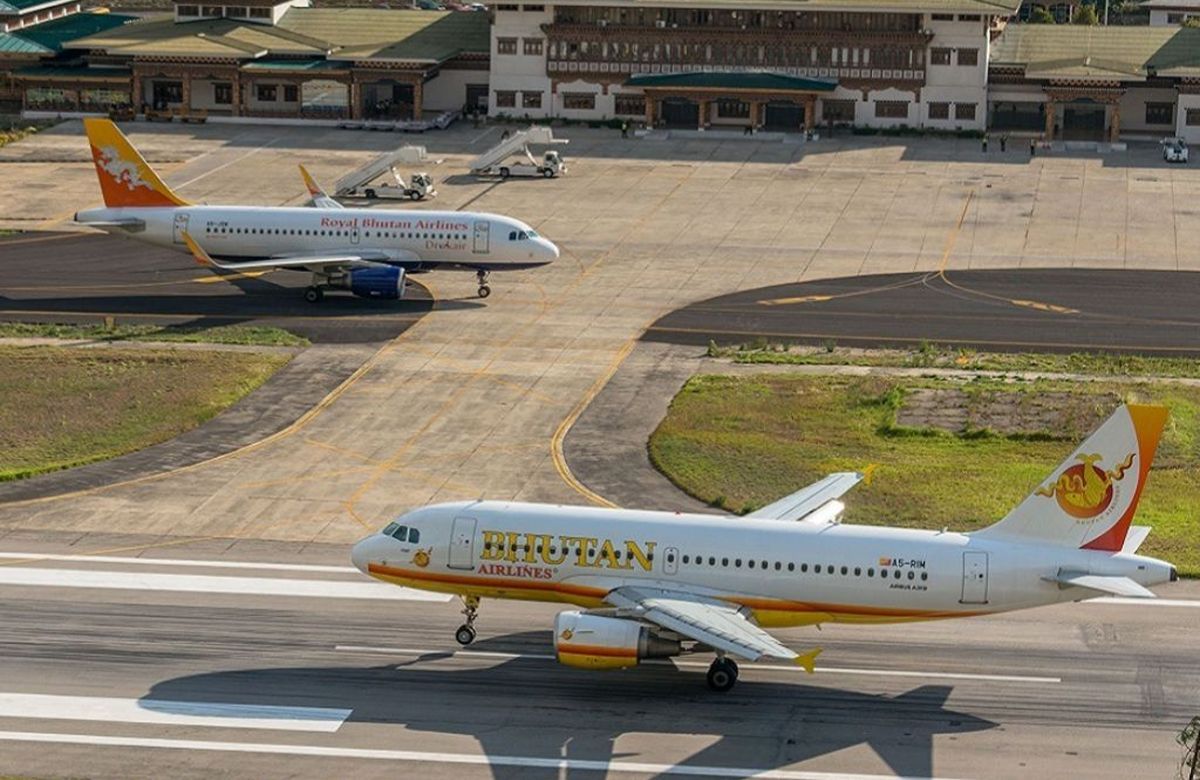
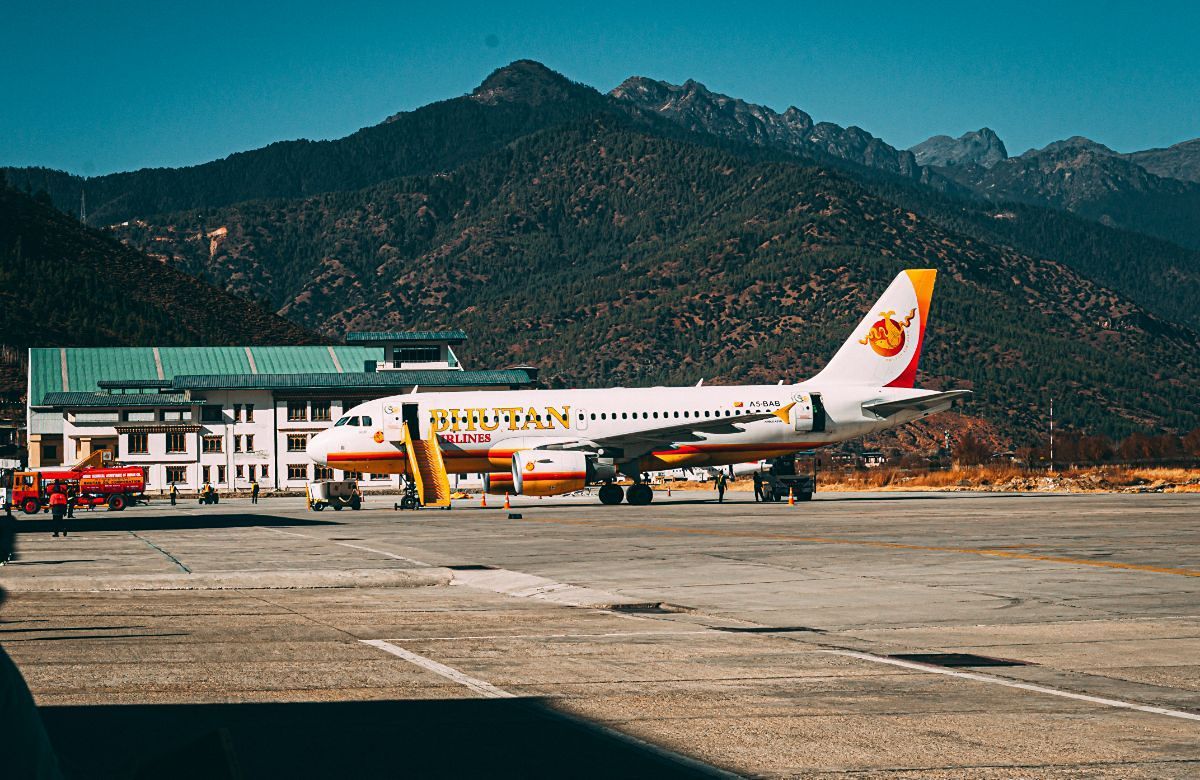
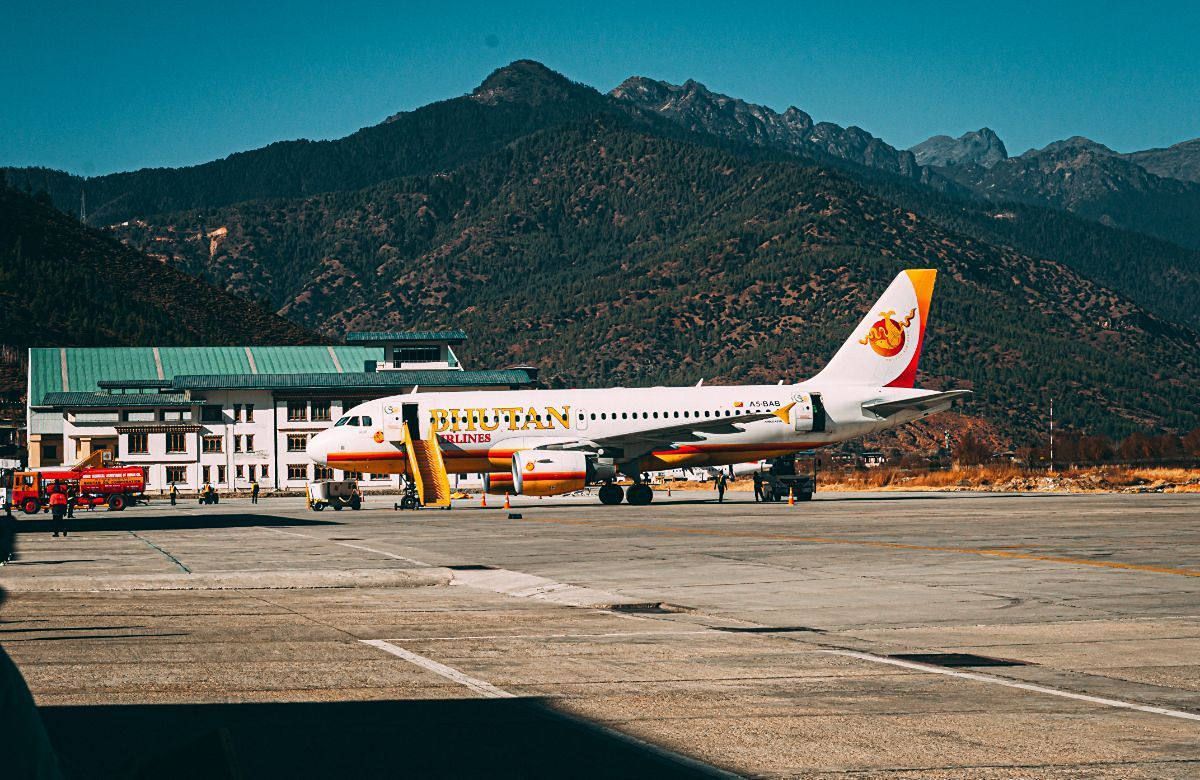
Most visitors fly into Paro, the principal international airport, on Drukair or Bhutan Airlines. Travellers coming overland from India can enter at Phuentsholing, Gelephu or Samdrup Jongkhar. See Getting to Bhutan for details.

October to December brings the clearest mountain views; March to May brings rhododendrons and spring festivals. Winter is cold, bright and quiet, and the summer monsoon turns every valley deep green. Every season has something.

Each journey is private and priced for your dates, group size and hotel category, so we send a personal quotation rather than a price list. Government fees are always shown separately.

It is not a visa requirement, but we strongly recommend a policy that covers medical treatment and evacuation — essential if you plan to trek.

Paro and Thimphu sit between about 2,200 and 2,600 m, and passes are higher. Most people only notice shortness of breath on stairs. We build in easy first days; trekkers acclimatise before going high.

Plan your journey

Send Inquiry & Get a Quotation

Tell us when you would like to travel, who is coming and what draws you to Bhutan. We reply with a draft itinerary and a personal quotation, and shape it with you until it feels right.

Your enquiry

Duration
Accommodation