
- Home
- A Short Roam: Paro & Thimphu
- First Bearings: Thimphu, Punakha & Paro
- Across the Black Mountains to Bumthang
- The Weavers' Road: Bumthang to the Far East
- Masks of Spring: The Paro Tshechu
- Fire Blessing: Bumthang's Jambay Lhakhang Drup
- Bumdra Sky Camp & the Tiger's Nest
- Dagala Thousand Lakes Trek
- Phobjikha Slow Days
- Roaming Together: Bhutan for Families
- All journeys
- Destinations
- Festivals
- Contact
Home / Travel Info / Health, Altitude & Safety
Travel well
Health, Altitude & Safety
How high you will be, how to feel your best at altitude, and staying healthy and safe on the road.
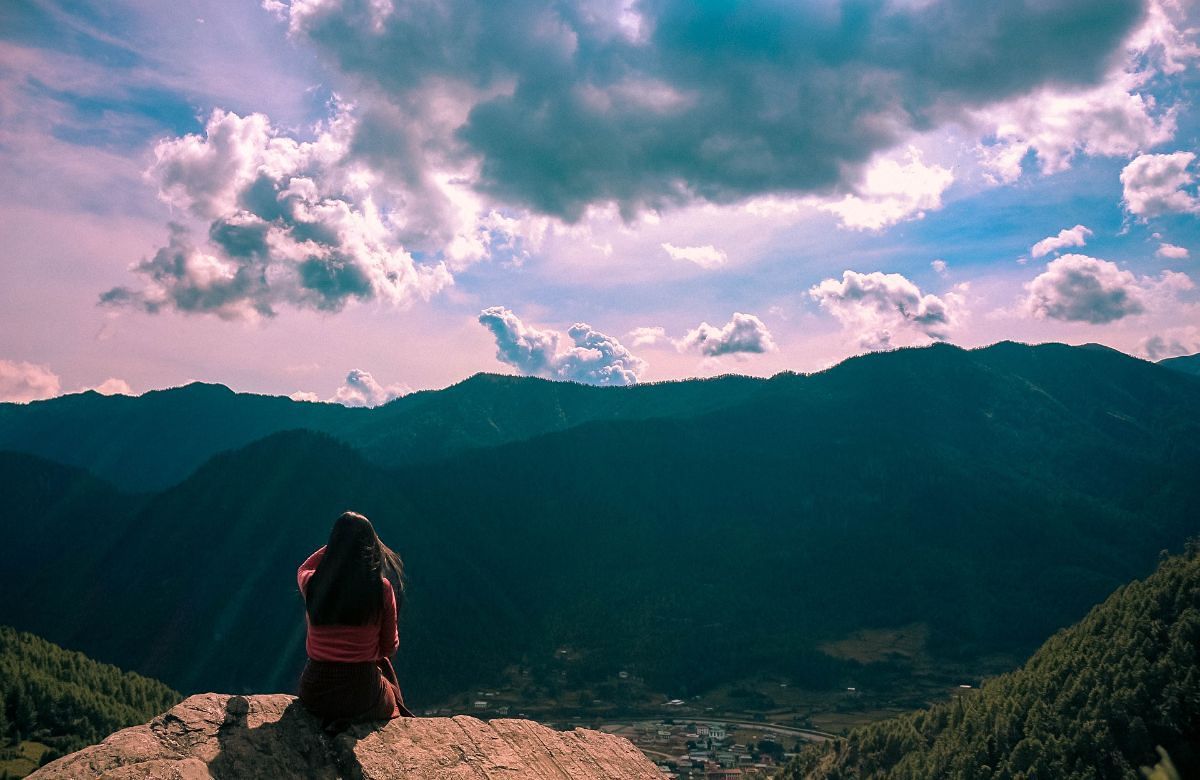
How high you will be
| Place | Approximate altitude |
|---|---|
| Punakha | 1,200–1,300 m |
| Paro | about 2,200 m |
| Thimphu | 2,300–2,600 m |
| Bumthang | 2,600–3,000 m |
| Phobjikha | about 3,000 m |
| Road passes (Dochula, Pele La, Thrumshing La) | 3,100–3,750 m |
| Tiger’s Nest | about 3,120 m |
| High treks | 4,000–5,000 m |
Most visitors on cultural tours feel the altitude only as shortness of breath on stairs. We start gently, keep the first day light and put the Tiger’s Nest later in the trip.
Altitude sickness
On treks above about 3,500 m, altitude sickness is possible for anyone, however fit. Warning signs include headache, nausea, dizziness, unusual tiredness and poor sleep. Tell your guide straight away — the cure is to rest and, if symptoms do not improve, to go down.
- Walk slowly and breathe steadily; it is not a race
- Drink plenty of water and limit alcohol for the first days
- Follow the acclimatisation days built into trek itineraries
- Ask your doctor before travel about medication and any existing conditions
Health before you go
There are no compulsory vaccinations for most travellers, but please see your doctor or a travel clinic several weeks before departure for advice based on your health and itinerary. Bring enough of any regular medicines for the whole trip, with prescriptions, as specific brands may not be available.
Thimphu has the national referral hospital, and the larger towns have hospitals or health centres. In remote valleys care is basic, which is another reason to carry good insurance.
Food and water
Drink bottled or filtered water — we keep it in the vehicle. Hotel food is freshly cooked and generally safe; Bhutanese dishes can be very spicy, and your guide will ask the kitchen to go gently if you prefer.
On the road and at night
Mountain roads are winding. If you are prone to motion sickness, bring your usual remedy and sit in the front. Bhutan has very little crime, but village dogs can bark through the night in towns — light sleepers may appreciate earplugs.
- Please tell us about any medical conditions, allergies or mobility needs when you enquire, so we can plan the right pace and hotels.
Tips for your first days
- Take the first afternoon easy — a stroll rather than a hike
- Climb stairs slowly; temple steps are steep and high
- Keep drinking water through the day, even when it is cool
- Go easy on alcohol until you feel settled
- Use sunscreen: the ultraviolet light is strong at altitude
Travelling with health conditions
Many travellers with heart, lung or mobility conditions visit Bhutan comfortably with the right plan. Talk to your doctor about altitude and long drives, and tell us what you need: lower-altitude overnight stops, shorter walks, ground-floor rooms, rest days, or a vehicle with more space. Our guides are used to adapting the day.
- In an emergency, your guide knows the nearest hospital and how to reach it, and our team in Thimphu is on call throughout your journey.
Staying safe on the road and trail
Roads in Bhutan are narrow and winding but driven slowly and carefully; our drivers are experienced on mountain routes and stop whenever you need a break. Landslides can close roads for a few hours in the monsoon, and your guide will adjust the day if they do.
On treks, your guide carries a first-aid kit and a means of calling for help, and the crew knows the evacuation routes. Stay with the group, keep to the trail, and give pack animals room to pass on the uphill side.
Travel info
All nine guides
Questions? Ask our Thimphu team
Plan your journey
Send Inquiry & Get a Quotation
Tell us when you would like to travel, who is coming and what draws you to Bhutan. We reply with a draft itinerary and a personal quotation, and shape it with you until it feels right.
- Private journeys, planned around you
- Visa, SDF, hotels, guide and transport arranged
- No obligation — ask anything
Your enquiry