
- Home
- A Short Roam: Paro & Thimphu
- First Bearings: Thimphu, Punakha & Paro
- Across the Black Mountains to Bumthang
- The Weavers' Road: Bumthang to the Far East
- Masks of Spring: The Paro Tshechu
- Fire Blessing: Bumthang's Jambay Lhakhang Drup
- Bumdra Sky Camp & the Tiger's Nest
- Dagala Thousand Lakes Trek
- Phobjikha Slow Days
- Roaming Together: Bhutan for Families
- All journeys
- Destinations
- Festivals
- Contact
About this journey
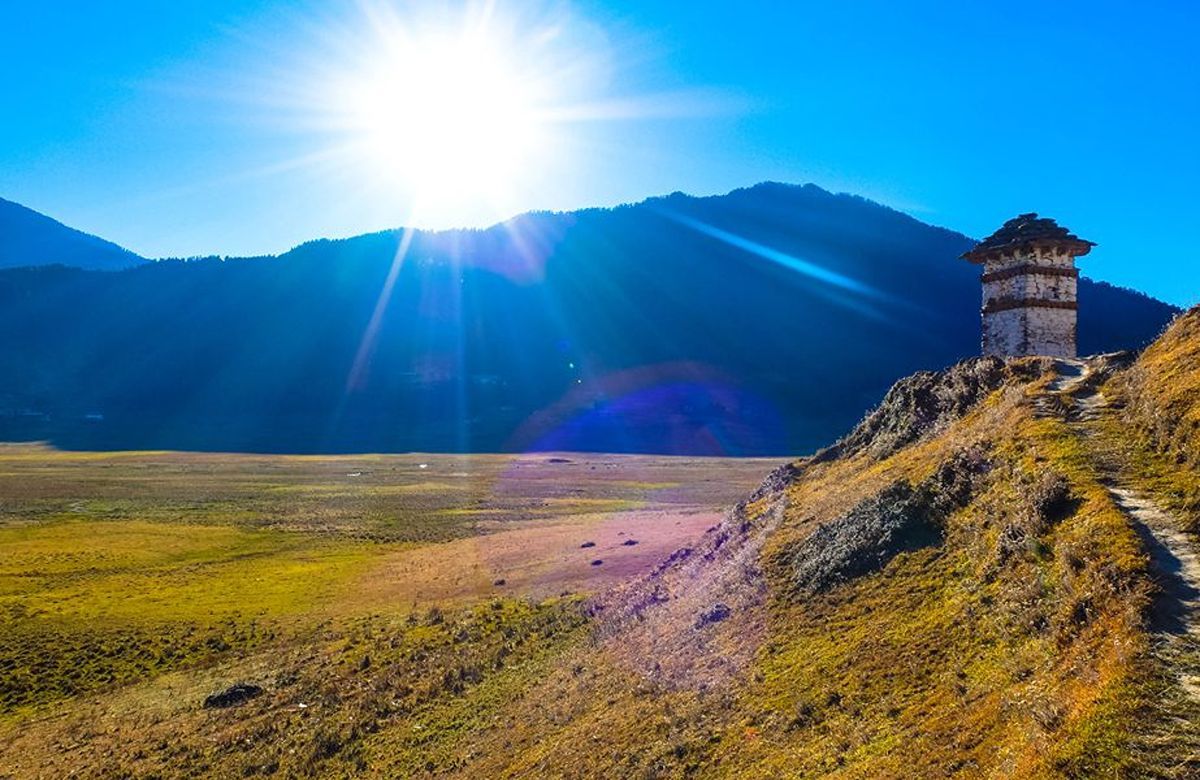
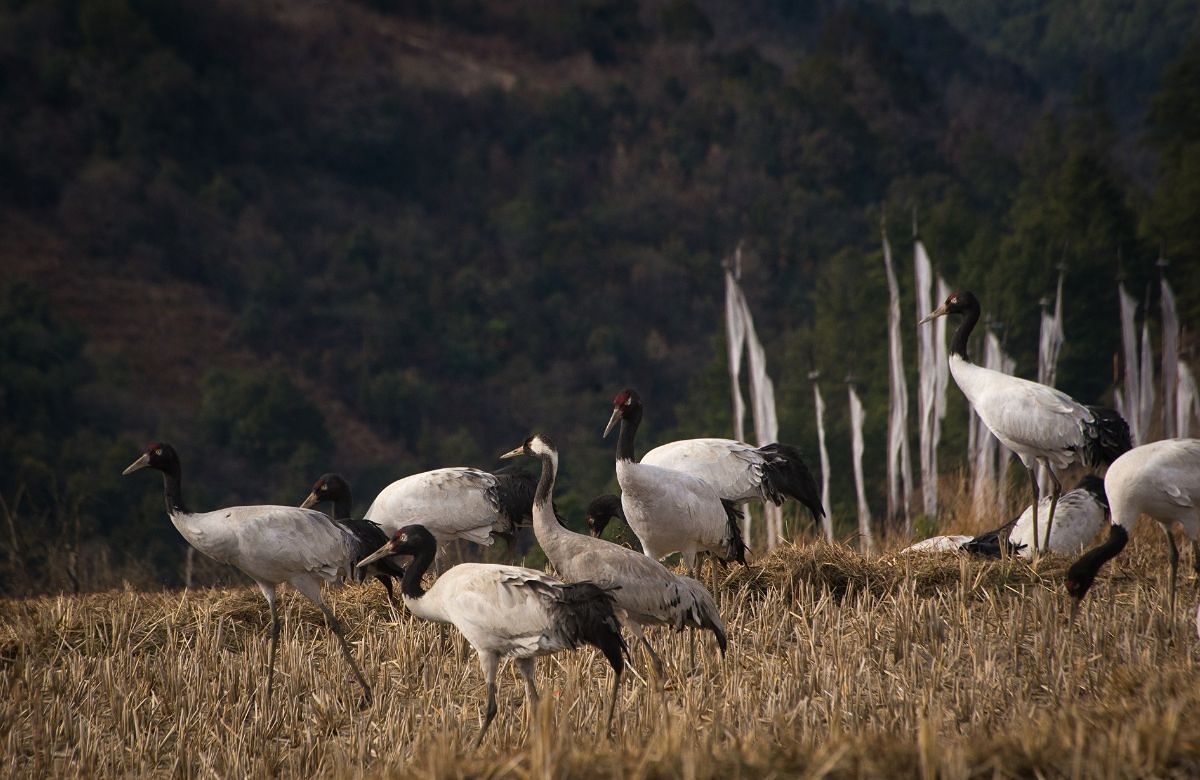
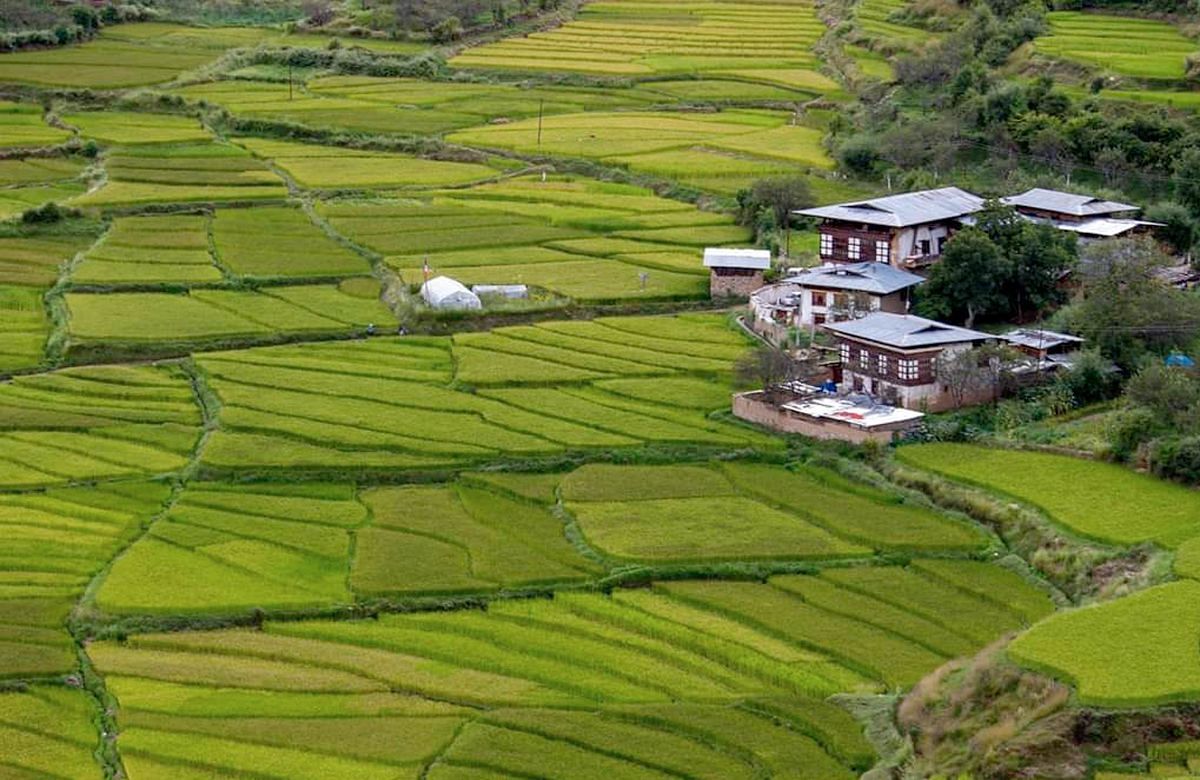
Phobjikha is a broad, bowl-shaped valley at about 3,000 m, ringed by forest and watched over by the monastery of Gangtey. It is the opposite of a checklist destination: you come here to walk, to sit by a wood stove, to learn how potatoes and buckwheat are grown at this height, and — between late October and February — to watch the endangered black-necked cranes that spend the winter on the marsh.
Three nights let the valley work on you. We add a warm night in Punakha on the way back and finish in Paro with the Tiger's Nest.
At a glance
- Duration7 nights · 8 days
- Starts / endsParo / Paro
- DifficultyEasy — gentle walks
- Highest pointAbout 3,120 m at the Tiger's Nest
- Best seasonAll year; cranes usually from late October to February
- StaysHotels, with a farmhouse-style lodge in Phobjikha
- GroupPrivate — your party only
- PricePersonal quotation on request
Your route
- ParoArrive
- Thimphu1 night
- Phobjikha3 nights
- Punakha1 night
- Paro2 nights
Highlights
- Three nights in the Phobjikha valley
- The Gangtey nature trail and the Longtey ridge walk
- Gangtey Goenpa above the marsh
- Black-necked cranes in winter (they are wild — sightings vary)
- Cooking with a farming family
- Punakha Dzong and the Tiger's Nest
Day by day
The last minutes of the flight are unforgettable: the aircraft banks between forested ridges, farmhouses appear close enough to count the prayer flags, and the wheels touch down in a valley barely wider than the runway. Outside the small arrivals hall your Roam Bhutan guide is waiting with a white khadar scarf, the traditional welcome, and your vehicle and driver for the days ahead.
The road to Thimphu follows the Paro Chhu down to Chuzom, where it joins the Wang Chhu beneath three small chortens, one each in Bhutanese, Tibetan and Nepali style. By late afternoon you are in the capital. Stretch your legs with a walk to the National Memorial Chorten, where Thimphu's grandparents gather every evening to circle the white stupa, murmuring prayers and turning the great wheels by hand.
Drive: Paro to Thimphu, about 1 hour
Overnight: Thimphu
The road out of Thimphu climbs to the Dochula pass at about 3,100 m, where 108 small chortens stand in rings on the ridge. On a clear morning — most often from October to February — the snow peaks of the northern border stretch across the horizon. After tea at the pass the road drops for over an hour through moss-hung forest towards Wangdue, before the climb to the Lawa La.
Over the Lawa La the forest opens onto the Phobjikha valley — a wide bowl of marsh and potato fields at about 3,000 m, with the monastery of Gangtey on its ridge. Settle into your lodge, where a wood-burning stove waits in the sitting room.
Drive: Thimphu to Phobjikha, about 5 hours with stops
Overnight: Phobjikha
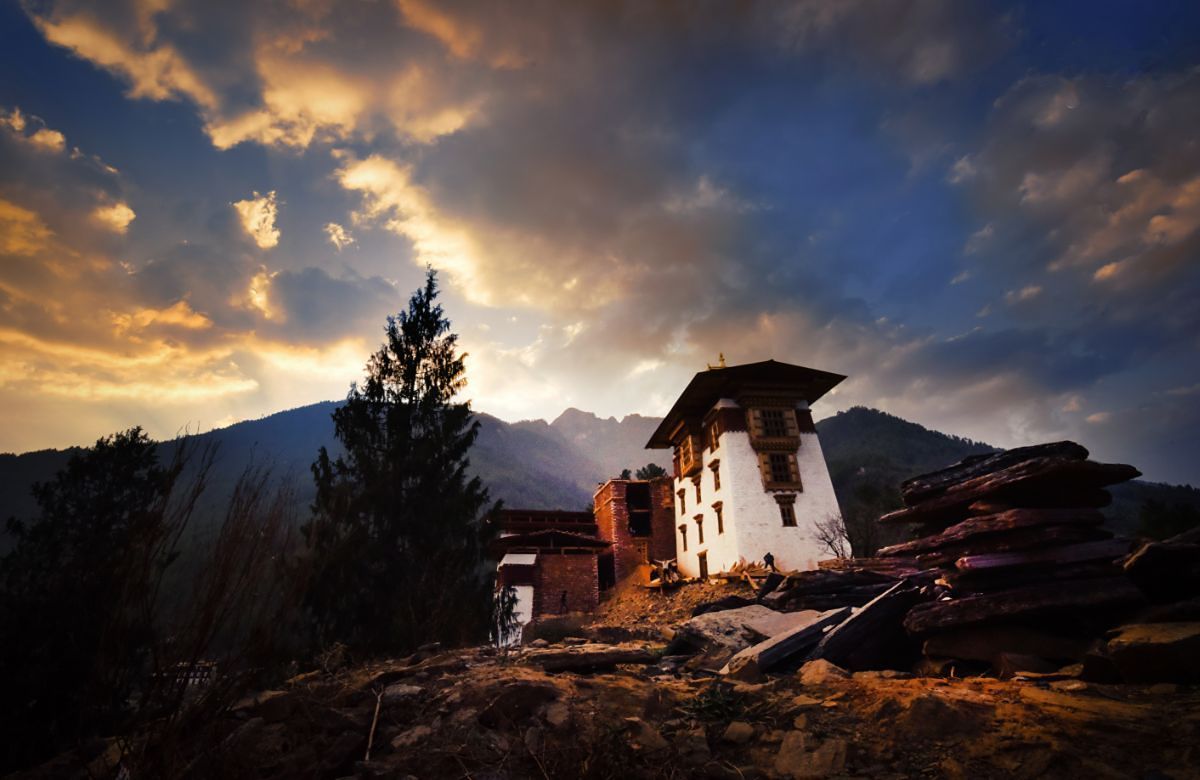
Start at Gangtey Goenpa, a 17th-century monastery of the Nyingma school whose courtyard looks straight down the valley. Local people say the cranes circle it three times when they arrive each autumn.
Then walk the Gangtey nature trail down through pine forest and farmland to the valley floor — about two hours of easy walking — and visit the Black-necked Crane Information Centre to learn how the villagers protect the birds. The electricity lines in this valley were laid underground so that the cranes could land safely.
Walk: about 2 hours, easy
Overnight: Phobjikha
Spend the morning with a farming family: help in the fields if the season allows, learn how potatoes and buckwheat are grown at this height, and cook lunch together — perhaps hoentoe dumplings or ema datshi, the chilli and cheese dish found at every Bhutanese table.
In the afternoon, walk the Longtey trail along the ridge for a view over the whole valley, or simply rest by the stove with a book. In winter, the evening is the time to listen for the cranes calling across the marsh.
Optional walk: about 2–3 hours
Overnight: Phobjikha
Leave the high valley after breakfast and drive down past Wangdue into Punakha, more than 1,500 m lower, where the air is soft and orange trees grow beside the rice fields.
In the afternoon, walk across the fields from Sopsokha village to Chimi Lhakhang, the small temple of the "Divine Madman", Drukpa Kunley. His outrageous teaching style explains the painted symbols on the farmhouse walls; your guide will tell you the stories that can be told in polite company. Couples still come here from all over Bhutan to ask for the blessing of a child.
Drive: Phobjikha to Punakha, about 3 hours
Overnight: Punakha
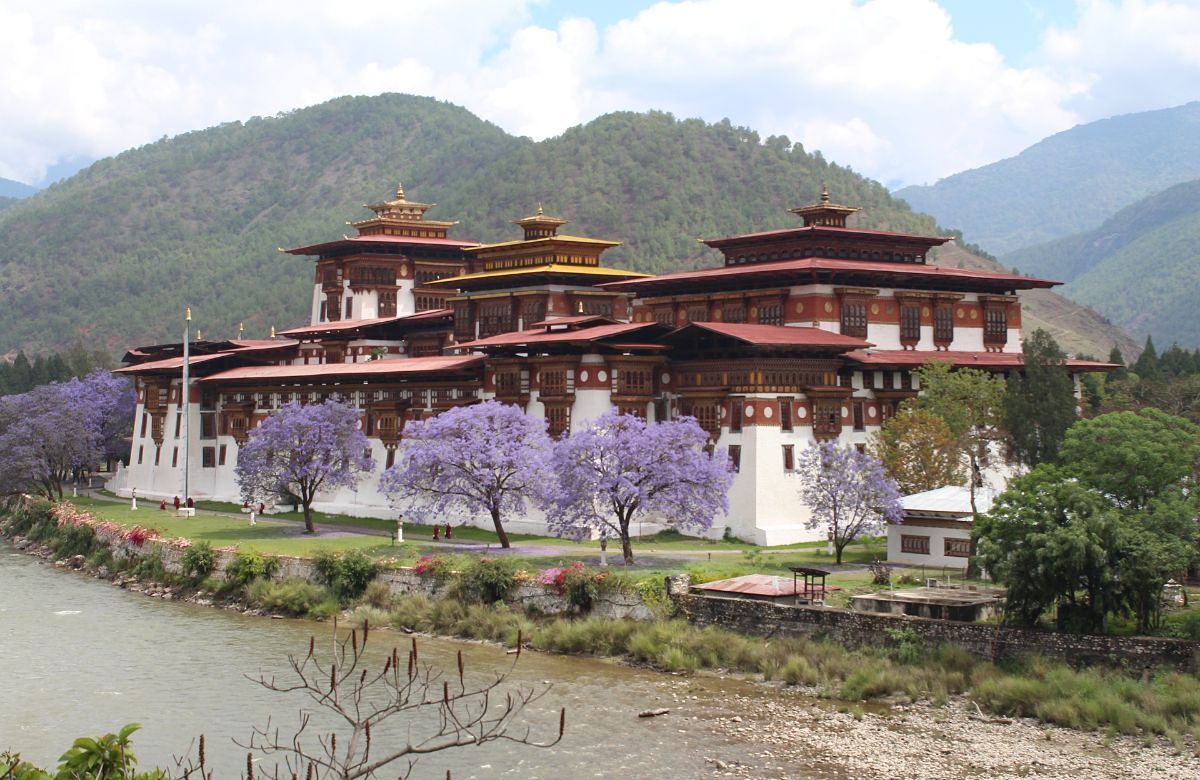
Cross the cantilevered wooden bridge into Punakha Dzong, built in the 1630s where the Pho Chhu and Mo Chhu rivers meet. It is still the winter home of the Je Khenpo and the central monk body, and its whitewashed walls, gold-roofed towers and carved courtyards make it, for many visitors, the most beautiful building in the kingdom. In spring, purple jacaranda flowers along the riverbank.
Leave Punakha after breakfast and climb back over the Dochula — the view from this side is often completely different, and a second cup of tea at the pass never hurts. Continue past Thimphu and down to the confluence at Chuzom, then turn up the Paro valley. Arrive in Paro in the late afternoon.
Drive: Punakha to Paro, about 4–4½ hours
Overnight: Paro
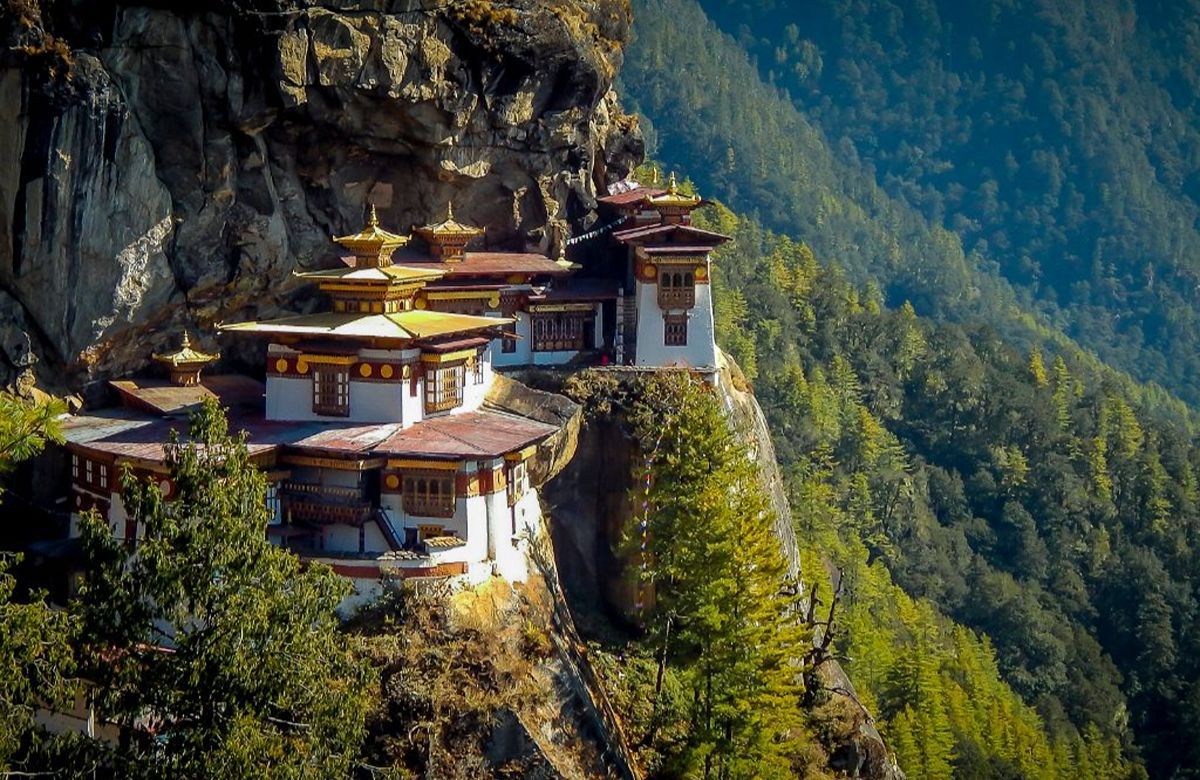
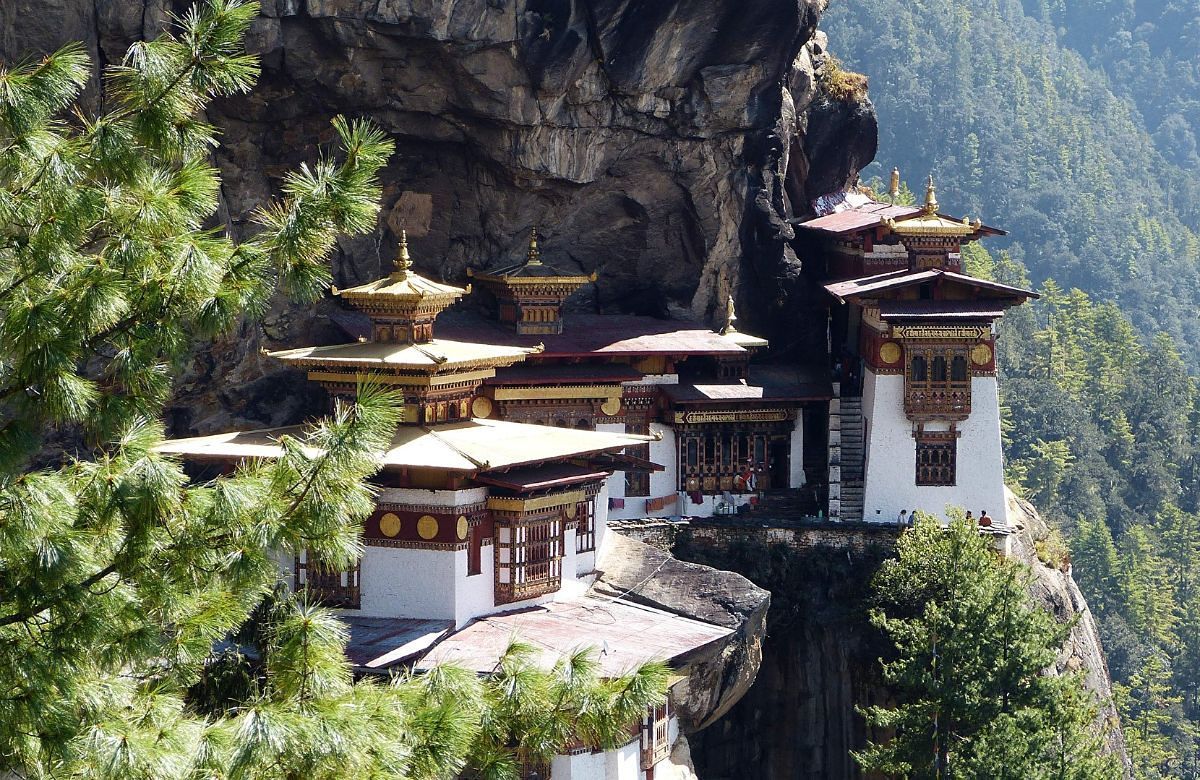
Today is the walk to Paro Taktsang, the Tiger's Nest. Legend says Guru Rinpoche flew to this cliff on the back of a tigress in the 8th century to meditate in a cave; the monastery was built around it in the 1690s. The trail climbs about 900 m through blue pine and hanging prayer flags. Most people take two to three hours to reach the top, stopping at the halfway cafeteria for tea and the first clear view across the gorge.
The last stretch drops down hundreds of stone steps beside a waterfall and climbs again to the monastery gate, where cameras and bags are left in lockers. Inside, butter lamps flicker in small shrine rooms cut into the rock. Walk down at your own pace for a late lunch in the valley, then visit Kyichu Lhakhang, said to date from the 7th century, with orange trees in its courtyard.
Hike: about 5–6 hours return
Overnight: Paro
Have a slow breakfast with the valley outside the window, and a last cup of suja, the salty butter tea you have either grown to love or learned to politely refuse. Your guide and driver take you to Paro airport, help with check-in and say goodbye — often with a promise to see you again for the next valley on your list.
The cranes return every autumn — ask us about the Black-necked Crane Festival, usually held in November.
Drive: hotel to Paro airport, 10–30 minutes
What's included
Included
- Visa processing — the US$40 visa fee appears as its own line in your quotation
- The Sustainable Development Fee for every night in Bhutan, arranged and shown separately
- A licensed English-speaking guide from arrival to departure
- A private vehicle and driver for the whole journey, airport transfers included
- Rooms in Department of Tourism–certified hotels in the category you choose
- Meals as agreed in your quotation (most guests choose all meals)
- Entry fees for every monument named in the itinerary
- Bottled or filtered drinking water in the vehicle
Not included
- International flights to and from Paro — we are happy to book Drukair or Bhutan Airlines for you
- Travel insurance (strongly advised, though it is not a visa requirement)
- Drinks, laundry and other personal spending
- Tips for your guide and driver, which are entirely up to you
- Activities that are not listed in the itinerary
Gallery
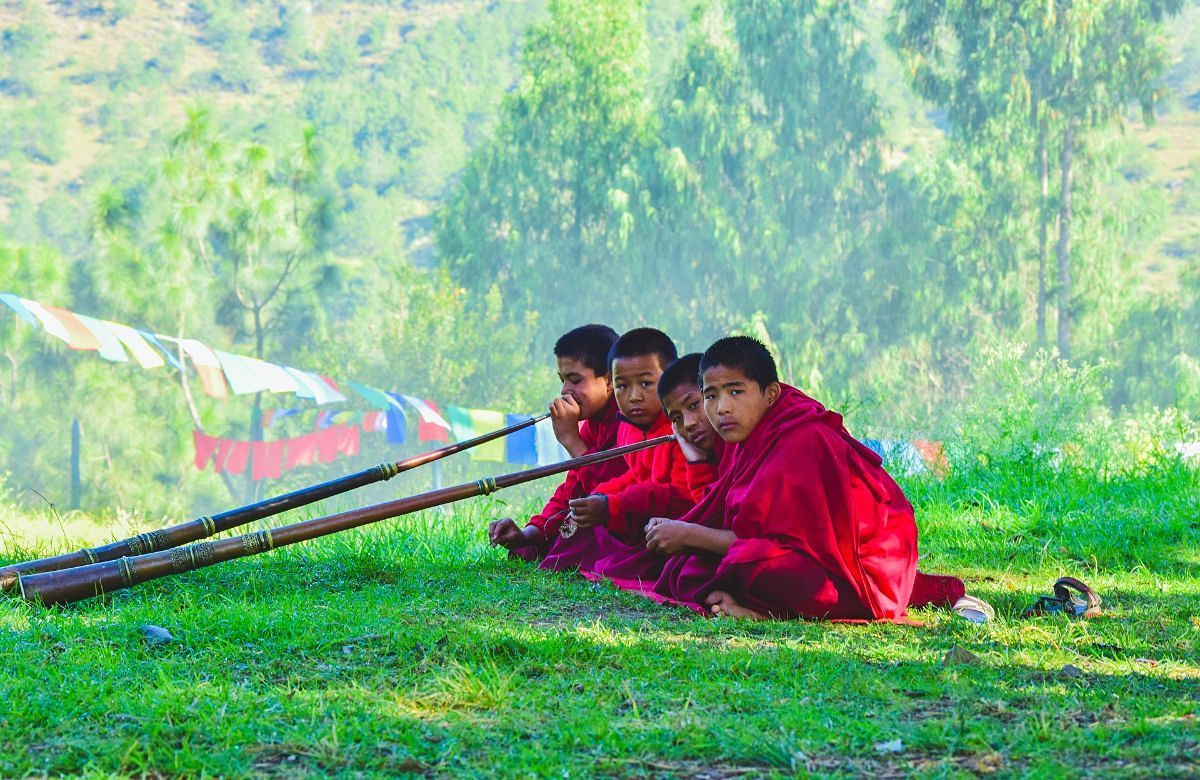
Good to know
- The cranes usually arrive in late October and leave in February; numbers and timing vary each year.
- Phobjikha is cold from November to March — warm layers, a hat and gloves are needed.
- The US$40 visa fee and the Sustainable Development Fee are arranged by us and shown separately in your quotation. See Visa & Entry Permits.
Questions about this journey
Yes. We arrange the SDF for each night you spend in Bhutan and list it on its own line, next to the visa fee, so the government fees are never hidden inside the tour cost.
Every Roam Bhutan journey is private, so almost anything can move: an extra night where you fall in love with a valley, a shorter drive, a different hotel category. Tell us in the enquiry form and we will redraw the route.
Each page shows the difficulty and the highest point. Bhutan is steep even on gentle trips — temple stairs, village paths — so tell us about knees, hearts or lungs and we will plan around them.
Slow & Family
Phobjikha Slow Days
- 7 nights · 8 days
- Easy — gentle walks
- All year; cranes usually from late October to February
Private journey · Personal quotation · No obligation
Talk to our Thimphu team
Keep exploring
You may also like
Culture · 10 days
Thimphu · Punakha · Phobjikha · Bumthang · Paro
Plan your journey
Send Inquiry & Get a Quotation
Interested in Phobjikha Slow Days? Tell us your dates and who is coming, and we will reply with a day-by-day plan and a personal quotation — with the visa fee and SDF on their own lines.
- Private journeys, planned around you
- Visa, SDF, hotels, guide and transport arranged
- No obligation — ask anything
Your enquiry