
- Home
- A Short Roam: Paro & Thimphu
- First Bearings: Thimphu, Punakha & Paro
- Across the Black Mountains to Bumthang
- The Weavers' Road: Bumthang to the Far East
- Masks of Spring: The Paro Tshechu
- Fire Blessing: Bumthang's Jambay Lhakhang Drup
- Bumdra Sky Camp & the Tiger's Nest
- Dagala Thousand Lakes Trek
- Phobjikha Slow Days
- Roaming Together: Bhutan for Families
- All journeys
- Destinations
- Festivals
- Contact
Home / Travel Info / Money, Phones & Internet
Practical matters
Money, Phones & Internet
The local currency, cards and cash, staying connected, and a few everyday practicalities.
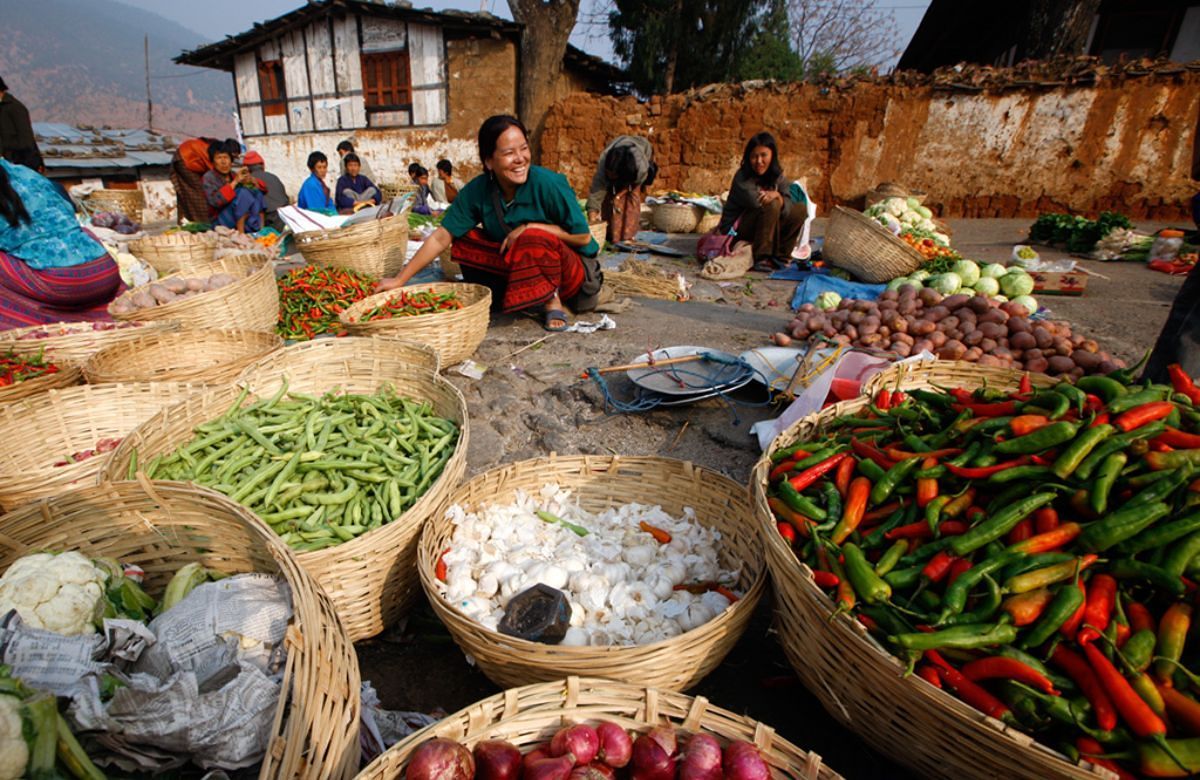
Currency
Bhutan’s currency is the ngultrum (Nu.), which is pegged one-to-one to the Indian rupee. Indian rupee notes are widely accepted as well, although it is wise to check about large denominations with your guide.
You can change US dollars and several other major currencies at banks and at Paro airport. Keep your exchange receipt if you want to change money back.
Cards and cash
Larger hotels, handicraft shops and some restaurants accept international credit cards, but many smaller shops, village stalls and temples are cash only. ATMs in the main towns accept some foreign cards — useful, but not something to rely on alone. Carry a mix of cash and cards.
- Your tour, meals, guide, transport and entry fees are already paid, so daily cash needs are small
- Bring cash for handicrafts, drinks, snacks and temple offerings
- Tips for your guide and driver are welcome but always your choice
Phones and SIM cards
Local SIM cards from Bhutan’s two mobile networks are easy to buy on arrival with your passport, and data is inexpensive. Coverage is good in towns and along the main roads, patchy in deep valleys and absent on most treks. International roaming works for some networks but can be costly.
Internet
Most hotels offer Wi-Fi, usually good in Thimphu and Paro and slower in remote areas. It is part of the charm of places like Phobjikha that the connection is sometimes simply not there.
Power and time
Bhutan runs on 230 V electricity with several socket types in use, so a universal adapter is the easiest solution. Bhutan Standard Time is six hours ahead of UTC, with no daylight saving.
- Photography tip: bring spare batteries and a power bank for long drive days and treks.
Shopping and prices
Handicraft shops in Thimphu and Paro sell textiles, thangka paintings, wooden bowls, incense and prayer flags. Prices in shops are usually fixed; in markets a little friendly bargaining is fine, but it is not a hard-sell culture. Buying directly from weaving families, as on our eastern journeys, puts the money straight into the hands of the maker.
Some items, such as genuine antiques and religious artefacts, cannot be exported. If you are considering a significant purchase, your guide can explain what is allowed.
Tipping
Tipping is not expected in the way it is in some countries, but it is appreciated for good service. Guests usually tip their guide and driver at the end of the trip, and trek crews at the end of a trek. The amount is entirely your choice; we are happy to give you a guideline if you ask.
Staying in touch with home
Messaging and video-call apps work well on hotel Wi-Fi and on local mobile data in towns. If you need to be reachable for work, tell us before you travel and we will favour hotels with the most reliable connections and warn you about the days when you will be out of range — on the high passes, in some side valleys and on treks.
Your guide carries a local phone throughout, and our Thimphu office is always reachable, so family at home can contact you through us in an emergency.
Travel info
All nine guides
Questions? Ask our Thimphu team
Plan your journey
Send Inquiry & Get a Quotation
Tell us when you would like to travel, who is coming and what draws you to Bhutan. We reply with a draft itinerary and a personal quotation, and shape it with you until it feels right.
- Private journeys, planned around you
- Visa, SDF, hotels, guide and transport arranged
- No obligation — ask anything
Your enquiry