
- Home
- A Short Roam: Paro & Thimphu
- First Bearings: Thimphu, Punakha & Paro
- Across the Black Mountains to Bumthang
- The Weavers' Road: Bumthang to the Far East
- Masks of Spring: The Paro Tshechu
- Fire Blessing: Bumthang's Jambay Lhakhang Drup
- Bumdra Sky Camp & the Tiger's Nest
- Dagala Thousand Lakes Trek
- Phobjikha Slow Days
- Roaming Together: Bhutan for Families
- All journeys
- Destinations
- Festivals
- Contact
Home / Travel Info / Where You Stay
Hotels, farmhouses and camps
Where You Stay
From comfortable town hotels to farmhouse homestays and trek camps — what to expect each night.
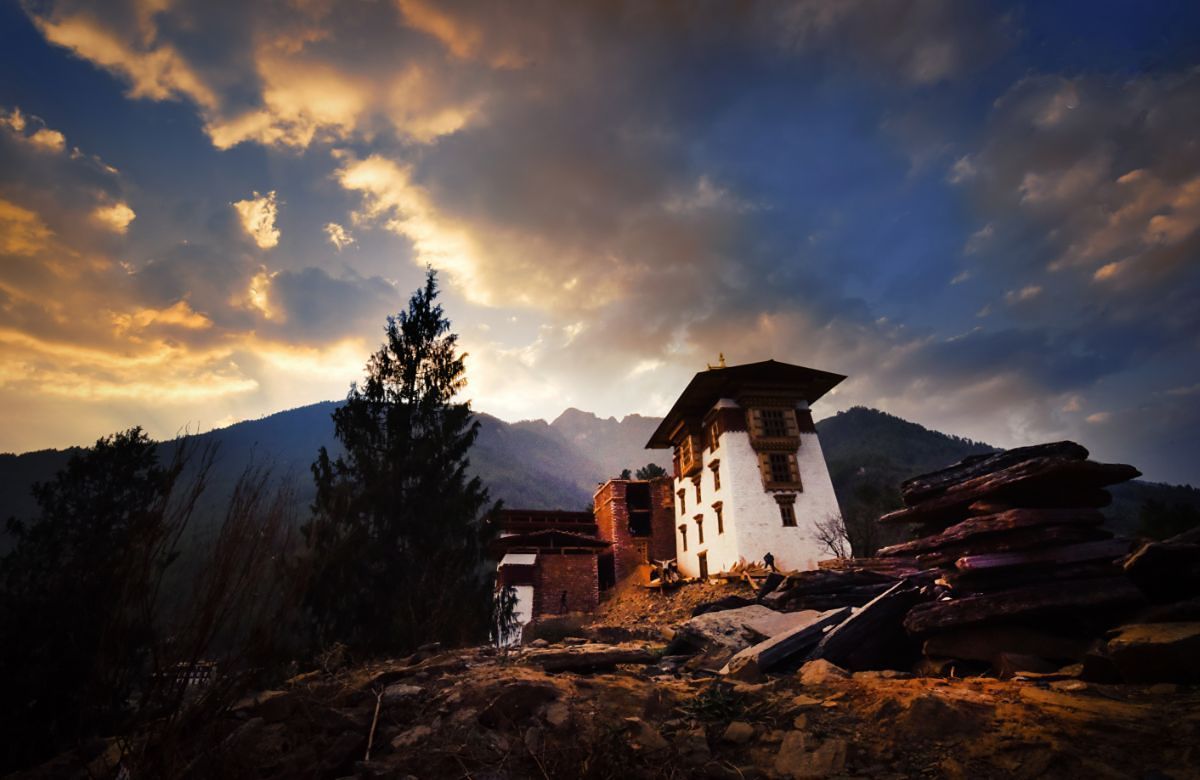
Certified hotels
Every hotel used by visitors in Bhutan must be certified by the Department of Tourism. You choose the category, and we choose the individual hotels we know and trust in each valley.
| Category | What it is like |
|---|---|
| Comfortable (3-star) | Clean, warm, locally run hotels, often with traditional architecture and views |
| Superior (4-star) | More space, better views, spas or hot-stone baths, more varied menus |
| Luxury (5-star) | Intimate lodges with outstanding design, service and food, in the finest locations |
Standards vary between regions: hotels in Thimphu and Paro are the most polished, while the far east has fewer and simpler options. We always tell you honestly what to expect.
Farmhouse homestays
A night with a farming family is often the moment guests remember most. Rooms are simple and traditional, bathrooms are sometimes shared, and the welcome is warm. You eat home cooking around the family’s stove and can help in the kitchen or the fields. Many farmhouses also offer a hot-stone bath.
Trek camps
On treks you sleep in two-person tents pitched by the crew, with a dining tent, a toilet tent and a cook who prepares hot meals three times a day. Tea is often brought to your tent door in the morning. Nights at altitude are cold, so a good sleeping bag matters.
Food
Hotels usually serve a mix of Bhutanese, Indian and international dishes. Do try the local food: ema datshi (chillies and cheese), kewa datshi (potatoes and cheese), red rice, buckwheat noodles in Bumthang and momos everywhere. Vegetarian and other diets are easy to arrange — just tell us.
- Travelling with children or with limited mobility? We can choose hotels with connecting rooms, lifts or ground-floor rooms. Mention it when you enquire.
Choosing a category
For most travellers the comfortable category is warm, clean and welcoming, with local character. The superior category adds space, views and often a spa. The luxury lodges are an experience in themselves and suit celebrations and honeymoons. You can also mix categories — for example, a luxury night or two at the end of a trek, or a farmhouse night in the middle of a cultural tour.
Many hotels in the central and eastern valleys are family-run, and hospitality is personal: do not be surprised to be offered butter tea on arrival or invited into the kitchen to watch dinner being made.
Heating, water and power
Rooms are heated in the cold months, often with electric heaters or wood stoves in rural lodges. Hot water is reliable in town hotels and can take a moment to run in remote places. Power cuts are uncommon but can happen in storms, so a small torch is useful.
Hot-stone baths and small comforts
Many farmhouses and some hotels offer a traditional hot-stone bath, or dotsho: river stones are heated in a fire and lowered into a wooden tub of water, often with fragrant leaves. It is a lovely way to end a long walking day. We are happy to arrange one; tell your guide the day before.
Hotels provide towels, toiletries and bottled water. In simpler guesthouses and farmhouses, bring your own toiletries and a small towel, and expect thick blankets rather than duvets — they are often the warmest part of the night.
Travel info
All nine guides
Questions? Ask our Thimphu team
Plan your journey
Send Inquiry & Get a Quotation
Tell us when you would like to travel, who is coming and what draws you to Bhutan. We reply with a draft itinerary and a personal quotation, and shape it with you until it feels right.
- Private journeys, planned around you
- Visa, SDF, hotels, guide and transport arranged
- No obligation — ask anything
Your enquiry